Myth: A Hairline Crack Is Too Small to Leak
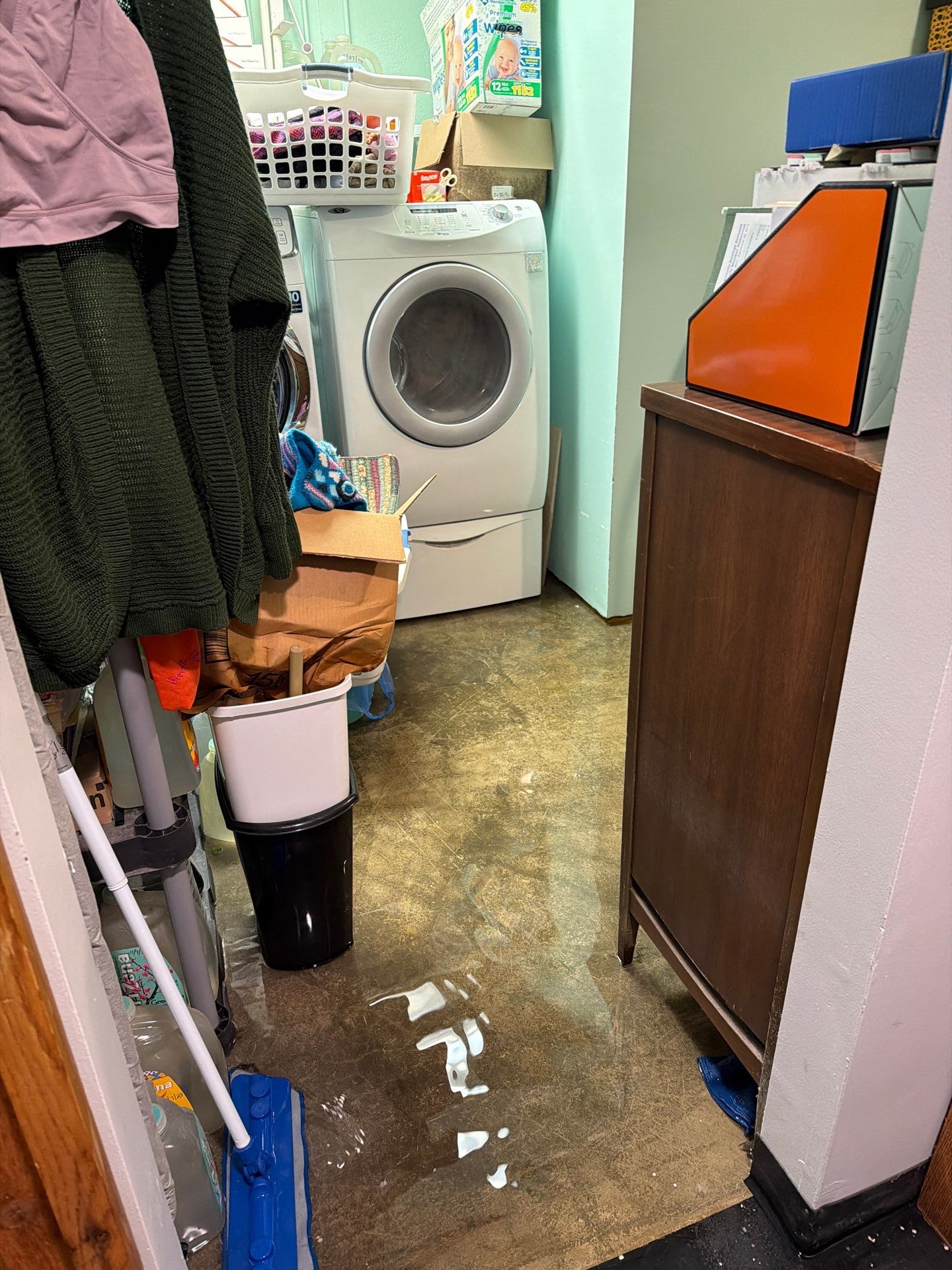
The myth says water cannot get through a crack you can barely see. The reality is that concrete is porous, and a hairline crack under hydrostatic pressure from saturated Avalon soil can move surprising volumes of water. We have measured moisture readings of 30 percent and higher in drywall sitting against foundation cracks no wider than a credit card edge. After a heavy rain, the pressure differential between soaked clay outside and dry air inside drives water through any opening it can find. Width is a poor predictor of leak volume. Pressure and duration matter more. A crack that weeps a few drops during a light shower can deliver several gallons an hour during a sustained storm, especially when the soil around the footing is already at field capacity from prior weeks of rain.
Myth: Sealing the Crack From Inside Solves the Problem
The myth says a tube of hydraulic cement or epoxy from the inside stops the leak for good. The reality is that interior sealants only address the symptom. Water still pushes against the foundation from outside, finds the next weak point, and emerges six feet away or behind a finished wall where you cannot see it. Interior patches have a role, but they work best paired with exterior drainage corrections, downspout extensions, and grading fixes. We have seen homeowners patch the same crack four times in two years because nobody addressed the saturated soil pressing against the wall. In one Avalon home, a sealed vertical crack simply redirected water laterally along the cold joint, and the new leak appeared behind a finished bar wall where it went undetected for nearly a year. By the time the homeowner called Avalon Water Restoration, the bottom plate had rotted and mold had spread up two stud bays.
Myth: Foundation Water Is Always Clean
The myth says groundwater is just dirty rainwater and you can clean it with a shop vac and bleach. The reality depends on where the water came from. Water that traveled through soil, around buried sewer lines, or through window wells can carry bacteria, fertilizer runoff, and other contaminants. The IICRC S500 standard treats this as category 2 (grey water) in most cases, and category 3 if there is any chance of sewage contact. That changes the cleanup requirements significantly. Porous materials like carpet pad and untreated drywall that contacted the water typically need to come out rather than dry in place. Bleach also gives a false sense of security on porous surfaces because it sanitizes the top layer without reaching the organisms living deeper in the material.
Myth: Homeowners Insurance Will Cover It
The myth says any water in your basement is a claim. The reality is that most policies exclude seepage and gradual foundation intrusion. They cover sudden, accidental events like a burst pipe, but groundwater pushing through a crack over weeks or years is almost always your responsibility. Before you assume coverage, review your declarations page and read our walkthrough on what homeowners insurance actually covers for water damage. We document everything during our assessment so you have a clean record either way, but we want you to have realistic expectations going in. If a sump pump failure or a sudden plumbing event contributed to the intrusion, that portion may be covered separately under an equipment breakdown or water backup endorsement, which is why thorough documentation at the start matters so much.
Myth: A Dehumidifier in the Basement Will Handle It
The myth says a good dehumidifier solves chronic moisture from a leaky foundation. The reality is that dehumidifiers manage humidity in the air, but they cannot pull water out of saturated concrete, soaked insulation, or wet framing fast enough to prevent damage. They are part of a drying plan, not a substitute for one. Professional drying combines extraction, targeted air movement, controlled dehumidification, and moisture verification. Running a single home unit against active intrusion is like running the AC with the windows open.
Myth: If the Carpet Feels Dry, the Damage Is Gone
The myth says surface dryness equals problem solved. The reality is that foundation water intrusion usually wets the bottom plate, the back side of drywall, and the insulation long before the carpet feels damp. By the time the carpet dries on its own, you often have active mold growth inside the wall cavity. The 48 hour rule for mold growth applies here just as it does with a burst pipe. We use thermal imaging and pin meters to find the hidden moisture that a hand check misses every time. Carpet pad in particular acts like a sponge and can hold water against the slab for days after the surface feels dry to the touch, which is why we pull back a corner and probe the pad whenever we suspect foundation intrusion.
Myth: New Construction Foundations Do Not Leak
The myth says a house built in the last five or ten years is too new to have foundation water problems. The reality is that newer homes in Avalon subdivisions often sit on backfilled clay that settles and channels water straight to the foundation wall. Builder grade waterproofing is usually a thin spray coating that can fail at cold joints, tie rod holes, and form seams within the first decade. We respond to plenty of intrusion calls at homes still under the original mortgage. Age is not protection. Drainage, grading, and the quality of the original waterproofing detail are what determine whether a foundation stays dry, and Avalon Water Restoration can assess all three during the initial visit.
Myth: You Can Wait Until the Rainy Season Ends to Address It
The myth says since the basement only leaks during heavy storms, you can deal with it later. The reality is that every wet cycle deposits moisture into building materials, feeds mold colonies, and slowly degrades the wood framing at the bottom of the wall. Avalon weather does not give you a clean dry stretch to plan around. Acting after the first intrusion event, before the second, gives you the cheapest path forward. Our basement flooding response is built for exactly this kind of recurring water problem, and we can usually be onsite within 2 hours for active intrusion. Waiting also tends to expand the scope of work, because what started as a single crack repair can grow into framing replacement, insulation removal, and mold remediation once moisture has cycled through the assembly enough times.